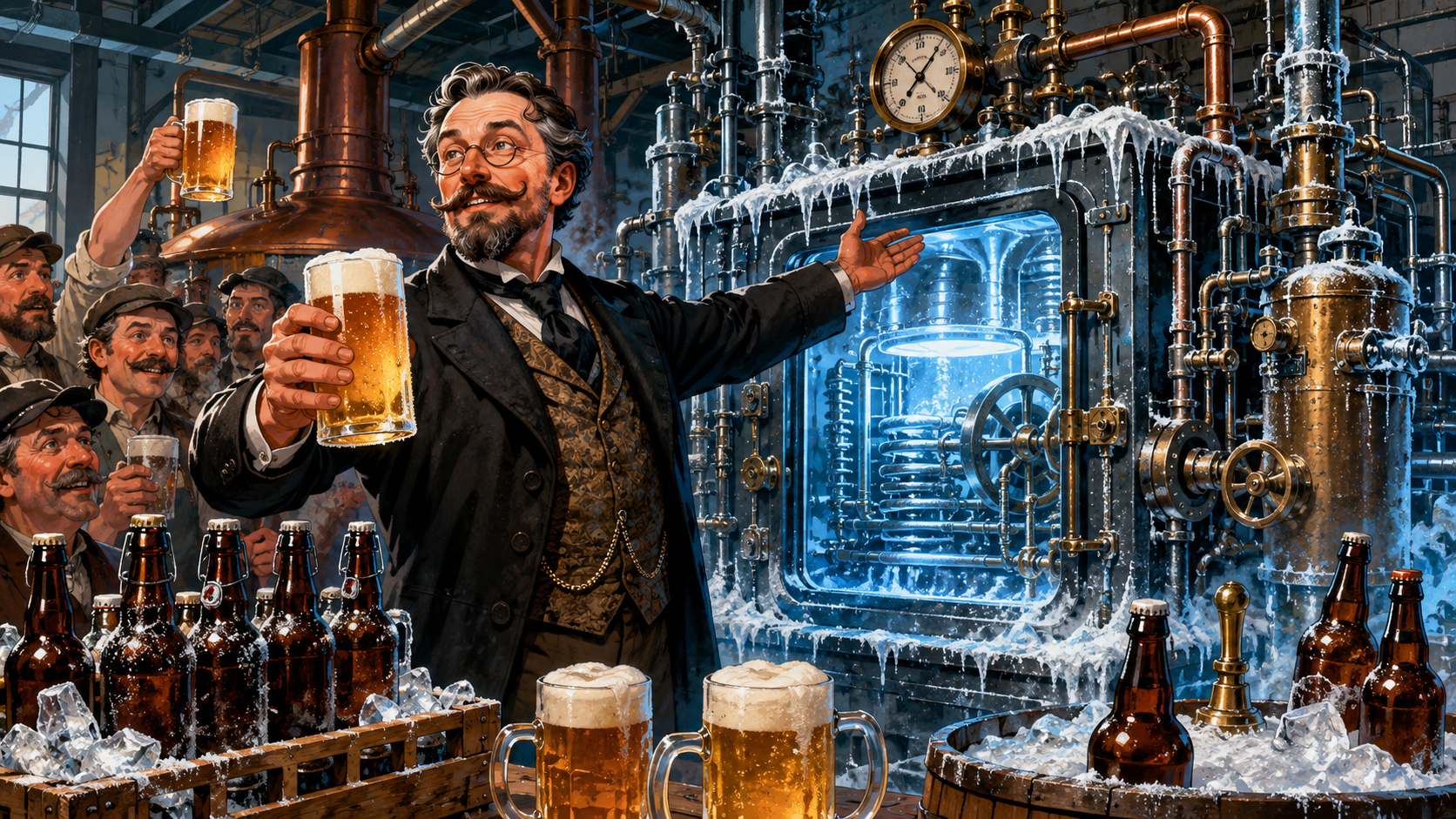
Before refrigeration, cold was local.
Brewers always cared about temperature, even before they could fully explain the science. Heat can make beer spoil faster. Cool storage can slow trouble. Fermentation temperature changes yeast behavior. Cold can polish beer, help it settle, and make storage more reliable.
But before mechanical refrigeration, cold was not something you simply ordered from a machine. It came from geography and season: caves, cellars, winter weather, mountain climates, ice harvesting, shaded rooms, and thick stone walls.
Professor Pint says: “The old cellar was not primitive. It was architecture doing climate control.”

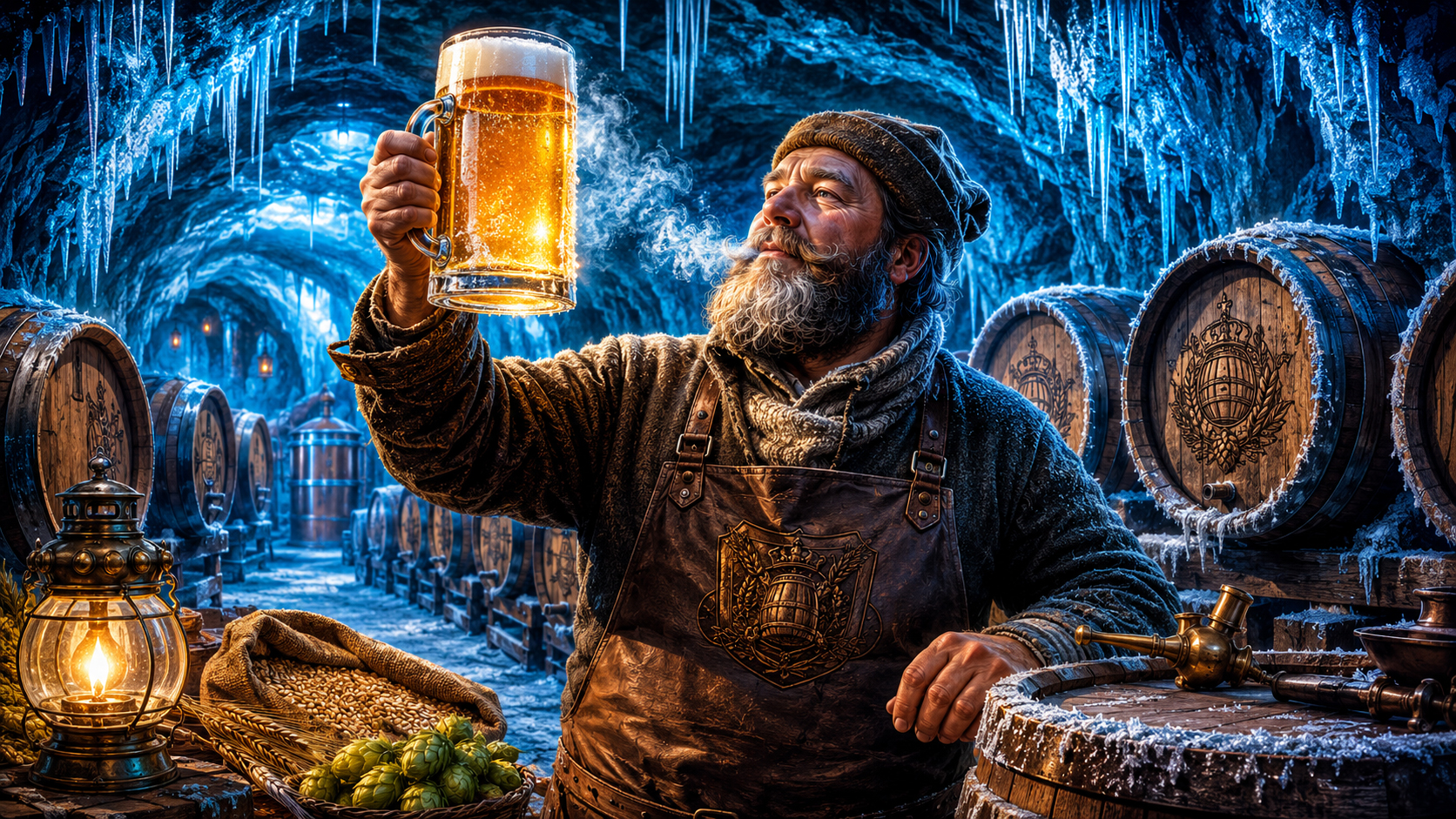
The cave was the first cold room.
Caves and cellars were natural allies of beer. They protected barrels from heat and helped create stable conditions for maturation. In lager brewing, cool storage became especially important because lager depends on cold, patience, and yeast behavior.
The cave did not hum, flash lights, or arrive with an engineer. It simply sat underground and did its job with stone confidence.
Ice made cold transportable, but not easy.
Before refrigeration, ice harvesting and ice storage helped brewers extend cold conditions. Ice houses, insulated storage, winter cutting, and delivery networks all made cold more useful, but ice still depended on season, labor, storage, and loss.
Ice was powerful, but fussy. It melted. It needed handling. It made the brewery part cold room, part logistics puzzle, part puddle management system.
Lager needed cold discipline.
Lager beer depends on cooler fermentation and extended cold storage. When handled well, that cold environment can produce clean, smooth, refined beer. But lager also requires patience, space, and temperature discipline.
Without reliable cold, lager brewing was limited by climate, seasons, and available storage. Refrigeration helped break those limits.

Refrigeration made cold repeatable.
Mechanical refrigeration changed beer because it let brewers create and maintain cold conditions intentionally. Cold stopped being only a local advantage and became an engineered resource.
This mattered for fermentation control, storage, shipping, consistency, and scale. Once cold could be managed, breweries could plan more reliably and produce beer with fewer seasonal constraints.
Madame Refrigeration says: “Nature gave you caves. I gave you scheduling.”
The brewery became less dependent on the mountain.
Before refrigeration, a good cave or naturally cool climate could be a brewing advantage. After refrigeration, breweries had more freedom. Cold could be installed, powered, maintained, and expanded.
That helped lager spread into places where natural cold storage was difficult. It also supported larger breweries that needed predictable temperature control every day, not just when the weather felt cooperative.
Refrigeration helped beer travel.
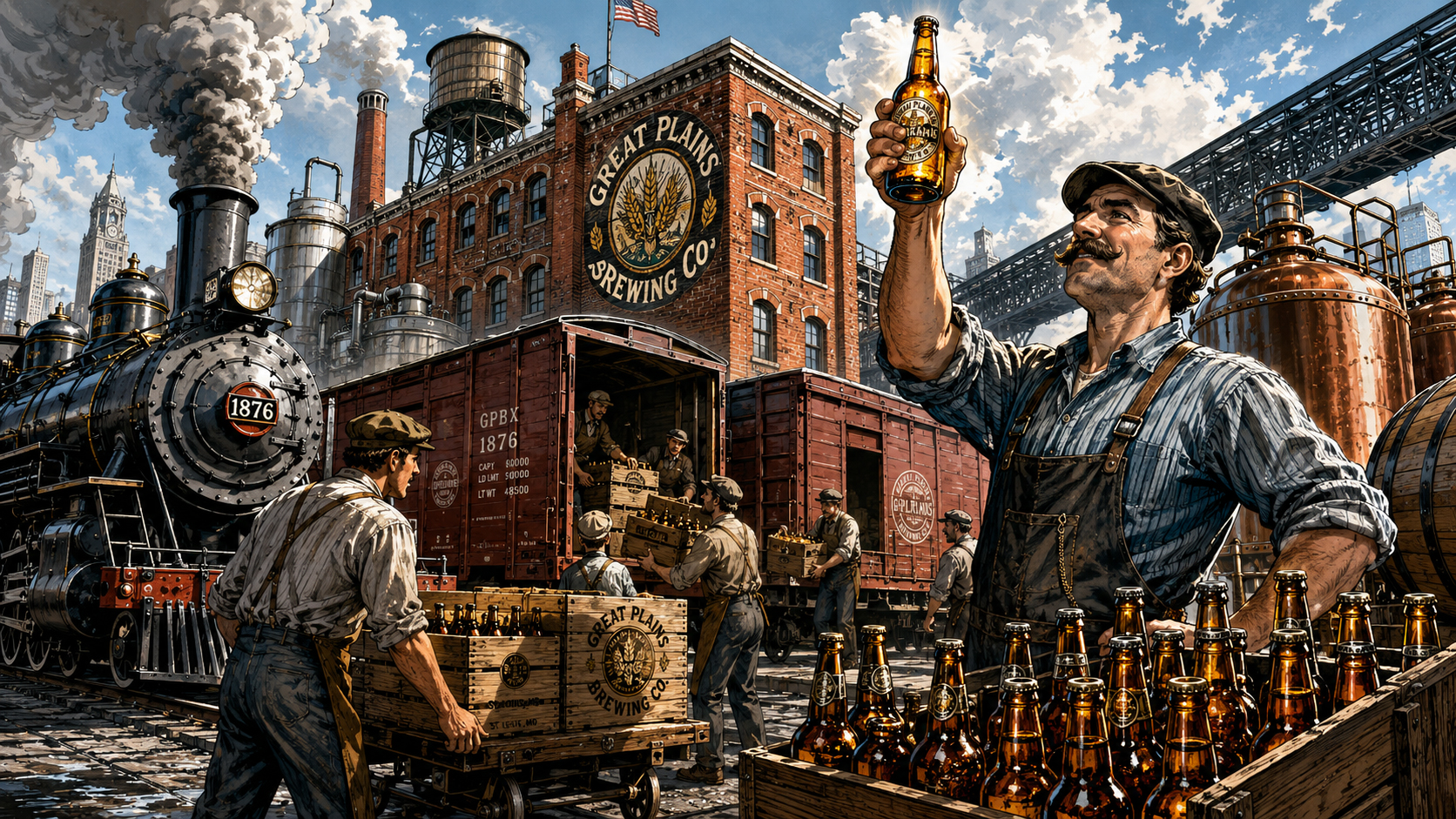
Cold storage and chilled transport helped beer move through wider distribution systems. Refrigeration worked alongside railroads, bottles, kegs, warehouses, and retail systems to make beer more stable and marketable.
Beer had already traveled before refrigeration, but engineered cold changed the scale and reliability of the journey.
Glass made cold beer visible.
Refrigeration also helped support the rise of pale, bright, clean beers that looked good in glass. Clear golden lager became a modern symbol: clean, cold, crisp, and technically controlled.
The beer was not only tasted. It was seen. Glass let drinkers judge clarity, color, bubbles, and polish. Refrigeration helped make that visual promise easier to keep.
Industrial brewing needed cold control.
Industrial brewing depends on repeatability. A large brewery cannot rely on mood, luck, and a heroic cellar door. It needs process control. Refrigeration helped brewers manage fermentation, maturation, storage, and distribution across larger systems.
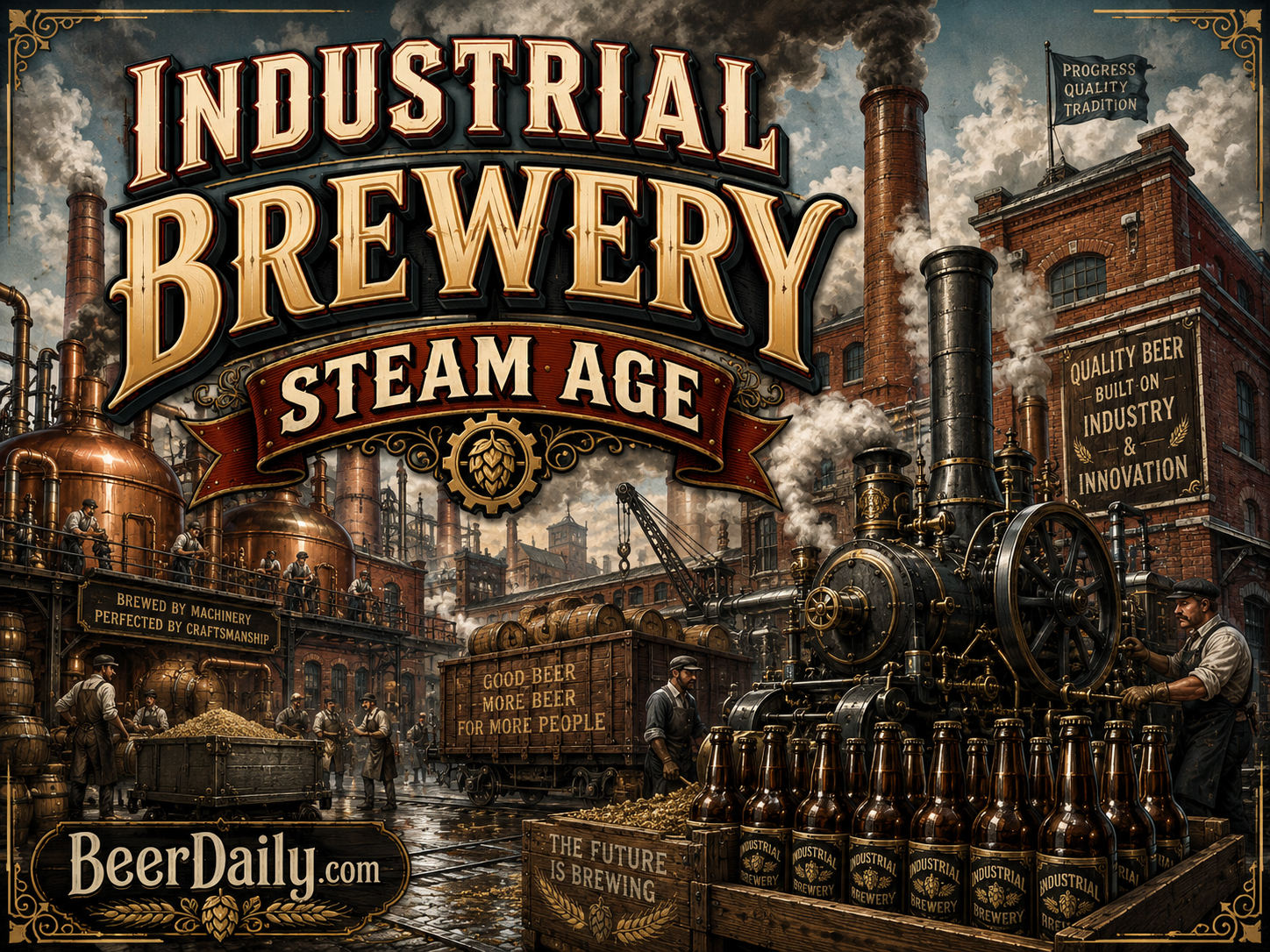
Steam gave breweries muscle. Railroads gave them reach. Glass gave them display. Refrigeration gave them cold command.
Refrigeration did not make old beer obsolete.
Foam Goblin loves to say old beer was “primitive” before machines. That is lazy. Caves, cellars, winter brewing, ice harvesting, and seasonal brewing were intelligent solutions in their own time.
Refrigeration did not erase those traditions. It expanded control. The old cellar taught brewers why cold mattered. Mechanical refrigeration made that lesson portable.
Madame Refrigeration versus Spoilage Goblin
In BeerDaily mythology, Spoilage Goblin hates refrigeration. Cold slows his plans. He still has allies — oxygen, dirty equipment, heat abuse, bad storage, and time — but refrigeration takes away one of his favorite weapons.
Madame Refrigeration does not defeat every problem. She is not magic. She simply gives brewers a better chance to manage time, yeast, and storage.

Cold changed taste expectations.
Once refrigeration became common, cold beer became part of modern drinking culture. Many drinkers came to expect beer to be chilled, bright, crisp, and stable. That expectation was not timeless. It was built by technology, distribution, marketing, and habit.
Beer before refrigeration could still be excellent, but it belonged to a different temperature culture. Modern beer often assumes cold as part of the experience.
The craft beer twist
Craft breweries also depend on refrigeration. Even when they revive old styles, experiment with wild fermentation, or celebrate local brewing, they still use cold rooms, glycol systems, temperature-controlled fermentation, chilled storage, and draft systems.
Craft beer may rebel against industrial sameness, but it still loves a good cold chain.

The refrigeration lesson
Refrigeration changed beer forever because it changed control. It made cold more predictable, expanded lager production, supported industrial brewing, improved storage and distribution, and helped shape the modern expectation of cold, clean beer.
BeerDaily moral: the cellar taught beer patience. Refrigeration taught beer logistics.