Craft beer was a comeback story.
Industrial brewing made beer consistent, affordable, widely distributed, and visually familiar. But that success also narrowed the mainstream flavor world. Many markets became dominated by light, pale, clean, mass-produced lagers with broad appeal.
Craft beer answered with variety. Brewers revived old styles, invented new ones, exaggerated hops, embraced roast, welcomed sourness, aged beer in barrels, played with yeast, and made the taproom feel like a neighborhood living room with tanks.
Craft beer is what happens when local flavor escapes the basement and leases a small industrial unit.
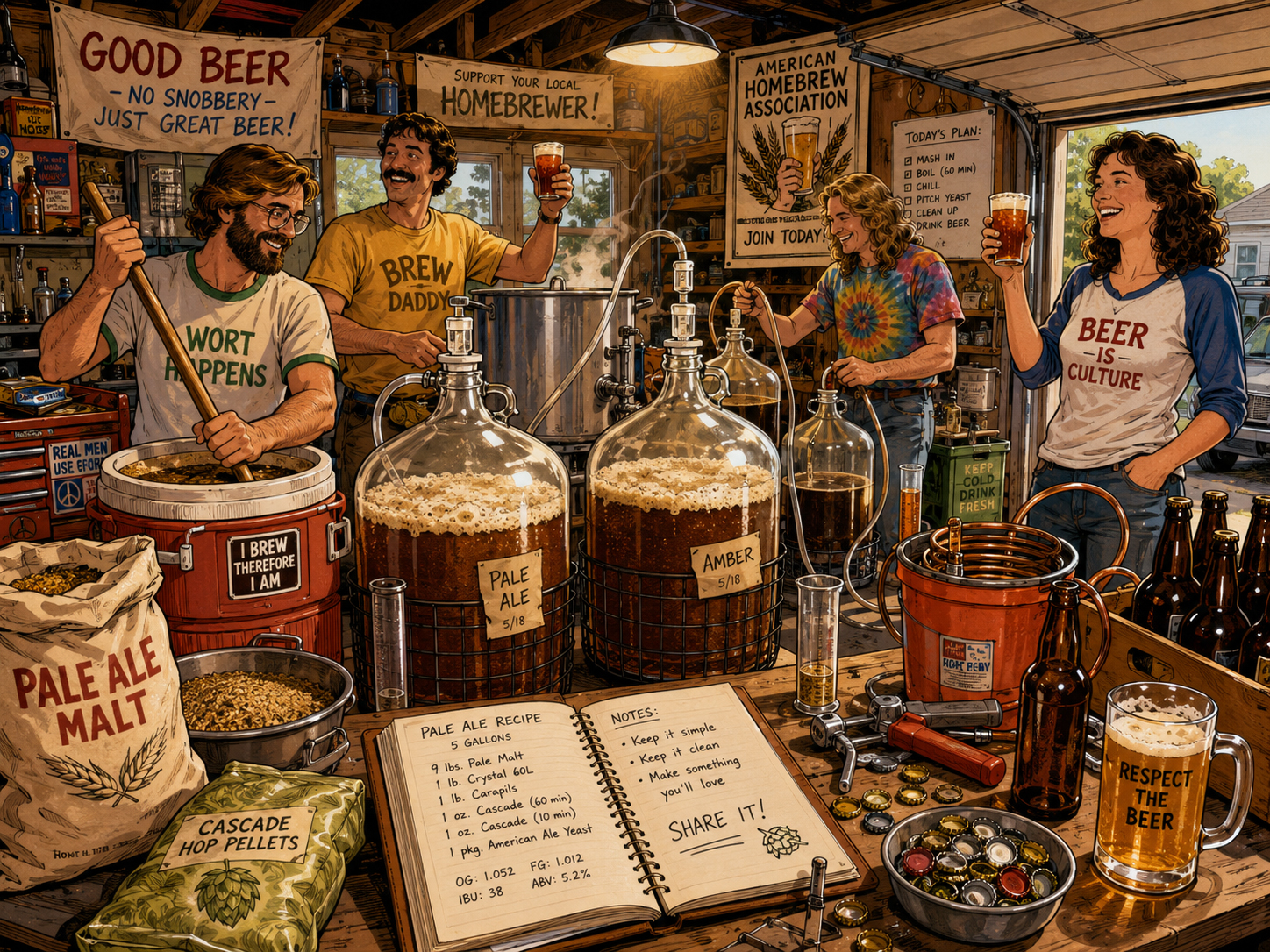
Homebrewing kept the spark alive.
Homebrewing mattered because it gave ordinary people a way to learn the craft, test recipes, share mistakes, and build brewing culture outside the large industrial system. Many professional brewers began as homebrewers, tinkering with buckets, pots, yeast packets, malt extract, and wild ambition.
The garage brewer is one of beer history’s great modern characters: part scientist, part cook, part janitor, part dreamer, and part person explaining why the closet smells like bananas and bread.
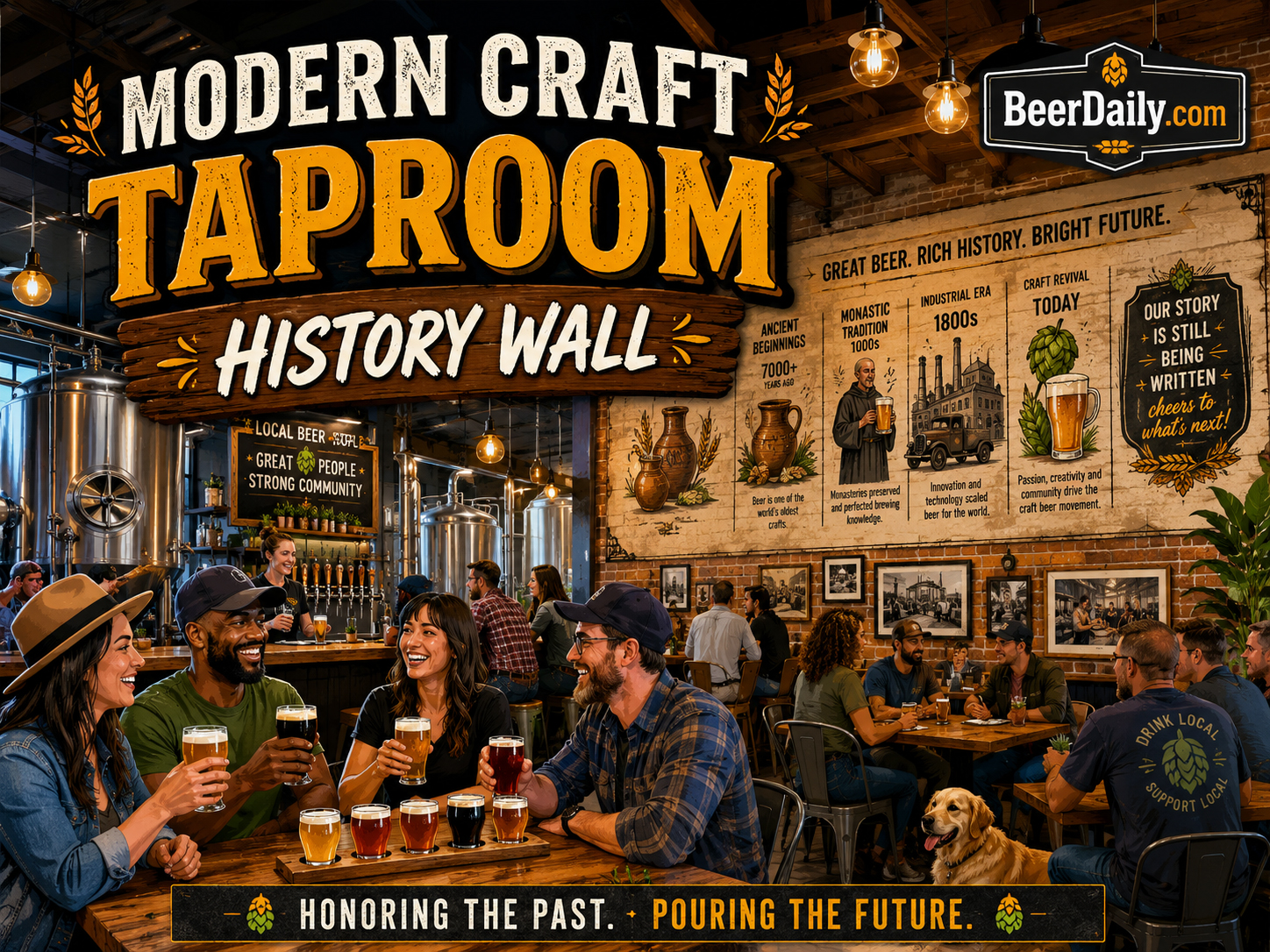
The taproom became a new public house.
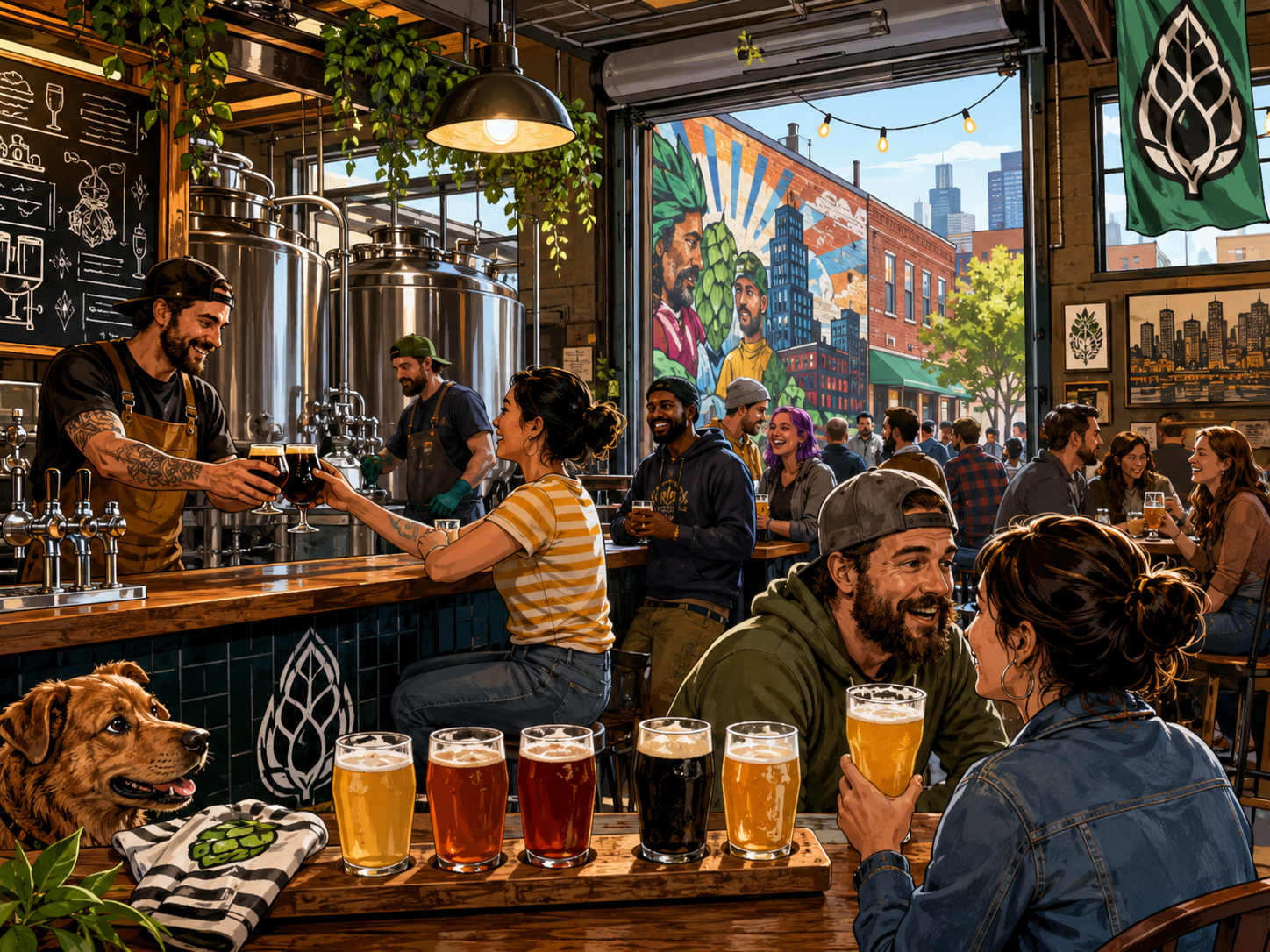
Craft breweries often built taprooms around direct connection. Instead of beer only appearing through distant brands, the brewery became a place: tanks in view, brewers nearby, local art on the wall, food trucks outside, dogs under tables, and someone explaining a saison with alarming confidence.
The taproom helped restore beer’s social geography. Beer became attached again to streets, neighborhoods, cities, and local identity.
Flavor came back loudly.
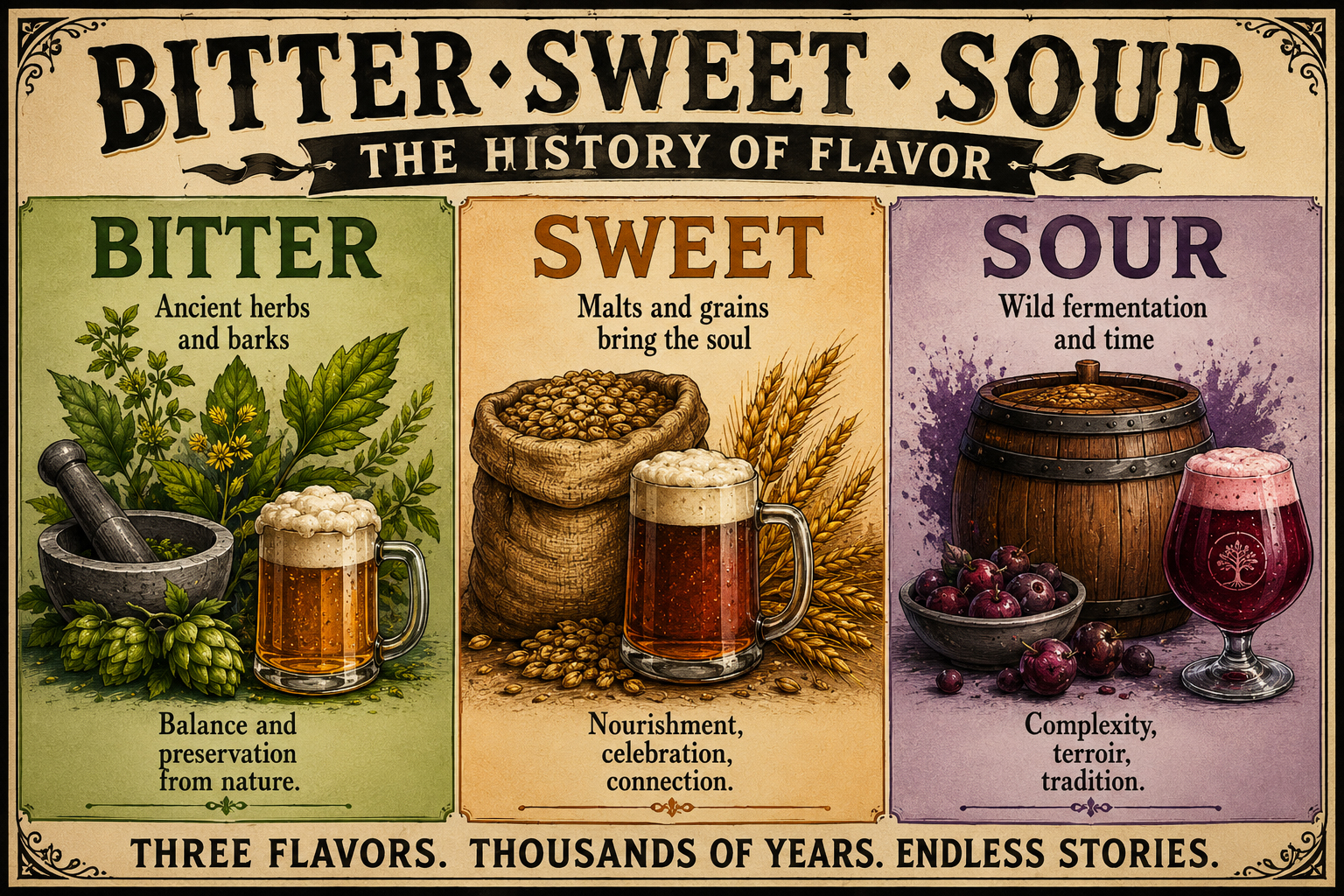
Craft beer made space for flavor intensity. IPAs brought hops forward. Stouts brought roast, chocolate, coffee, and barrel character. Sours brought acidity and funk. Belgians brought yeast expression. Lagers returned as precision pieces. Farmhouse styles brought rustic complexity.
This was not always graceful. Some beers tasted like a pastry shop fell into a hop field during a thunderstorm. But even the chaos proved something: beer’s flavor range was much wider than many mainstream drinkers had been taught to expect.
Hops became celebrities.
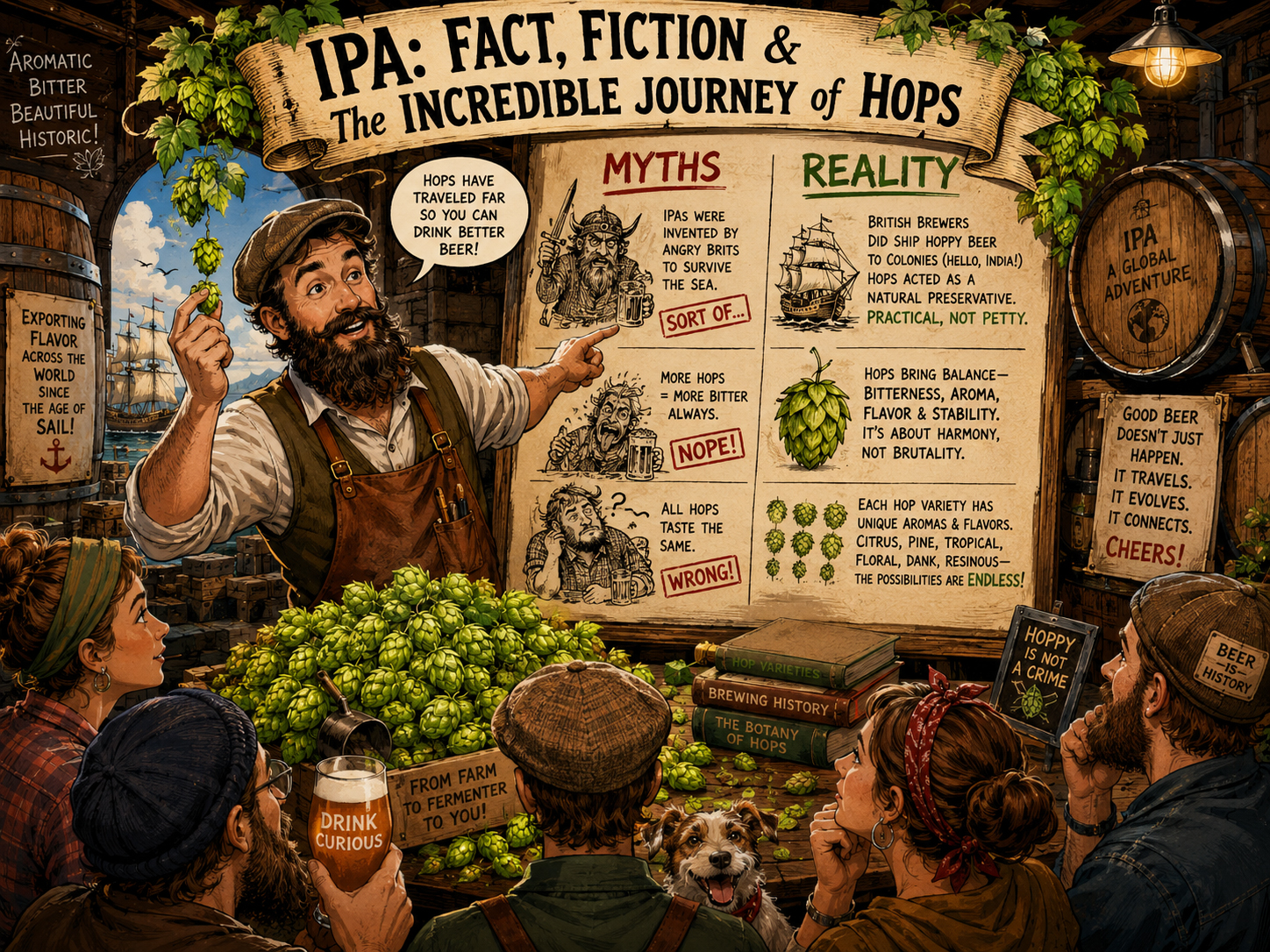
Craft beer turned hops into stars. Brewers and drinkers began talking about hop varieties, aroma profiles, dry hopping, bitterness levels, freshness, haze, tropical notes, resin, citrus, dankness, and the emotional damage caused by waiting in line for a limited release.
Hops had long helped preserve and balance beer, but craft brewing made them a stage act. The hop cone went from practical ingredient to diva with a backstage rider.
Craft beer also revived old styles.
The craft movement did not only chase new extremes. It also revived historical styles and regional traditions: porters, stouts, saisons, milds, bocks, pilsners, wheat beers, smoked beers, sour beers, farmhouse ales, and many other old forms that had been overshadowed in some markets.
A good craft brewer can be both historian and troublemaker. One hand holds the archive. The other hand dry-hops the archive.
Local does not automatically mean good.
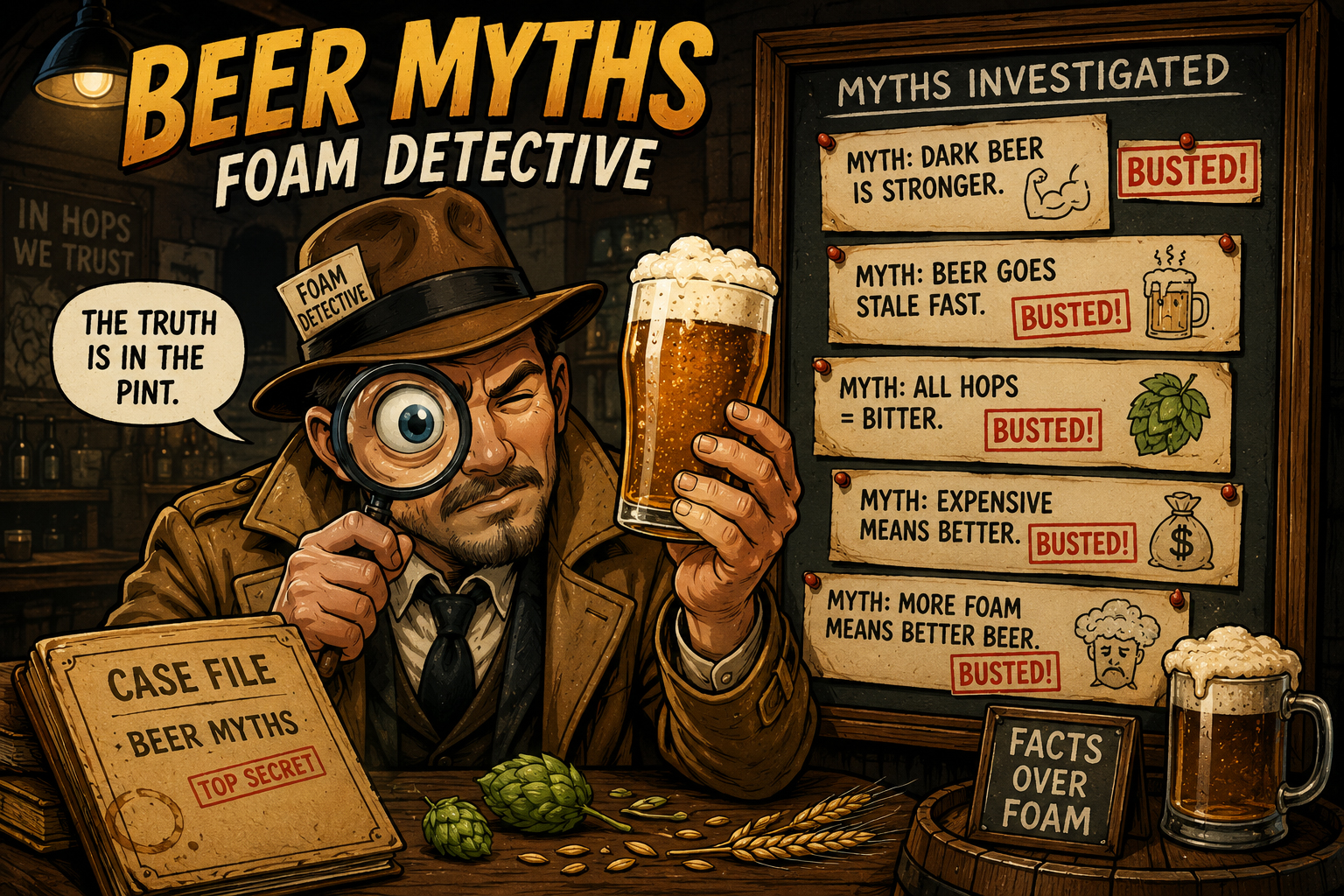
Foam Detective correction: craft is not a magic quality stamp. Small beer can be bad. Local beer can be boring. Experimental beer can be a mistake with a tap handle. Industrial beer can be technically excellent. BeerDaily respects craft beer by refusing to make it a fairy tale.
The best craft beer combines creativity with discipline. The brewer should have imagination, but also cleaning procedures. A dream without sanitation is just a future off-flavor.

The business got crowded.
Craft beer’s success created new challenges: crowded shelves, expensive ingredients, distribution battles, taproom competition, changing consumer tastes, rising costs, debt, mergers, and the constant pressure to release something new.
The small brewery dream is still a business. It has rent, payroll, tanks, permits, taxes, wastewater, labels, cans, insurance, cleaning chemicals, and a customer who asks whether the hazy IPA is “fresh fresh.”

Independence became part of the story.
Many craft brewers and drinkers cared about ownership. Independent brewing became part of the identity: local control, creative freedom, community connection, and resistance to large corporate consolidation.
But ownership stories can be complicated. Some breweries sell. Some partner. Some expand. Some stay small. Some collapse. Some remain fiercely local. Beer history never stays neatly inside the label copy.
Craft beer changed mainstream beer too.
Even drinkers who never became craft devotees felt the change. Mainstream beer companies responded with new products, seasonal releases, craft-style brands, acquired breweries, expanded flavor lines, and marketing that tried to look less like a boardroom discovered hops on a Tuesday.
Craft beer expanded the language of beer. Words like IPA, saison, barrel-aged, sour, dry-hopped, hazy, imperial, farmhouse, and taproom became common far beyond specialist circles.
The local brewery as cultural marker
A local brewery can become a town’s informal meeting place. It hosts trivia, fundraisers, release parties, food trucks, music, neighborhood debates, and the occasional deeply serious conversation about glass shape.
Beer returned to one of its oldest jobs: gathering people. The craft taproom is not ancient Sumer, not an abbey, not an industrial beer hall, and not a speakeasy. But it belongs to the same long story of fermented grain creating social space.
The big lesson
Craft beer matters because it reopened beer’s possibilities. It reminded drinkers that beer could be local, strange, historic, elegant, wild, bitter, sour, smoky, sweet, subtle, loud, refined, ridiculous, or beautiful.
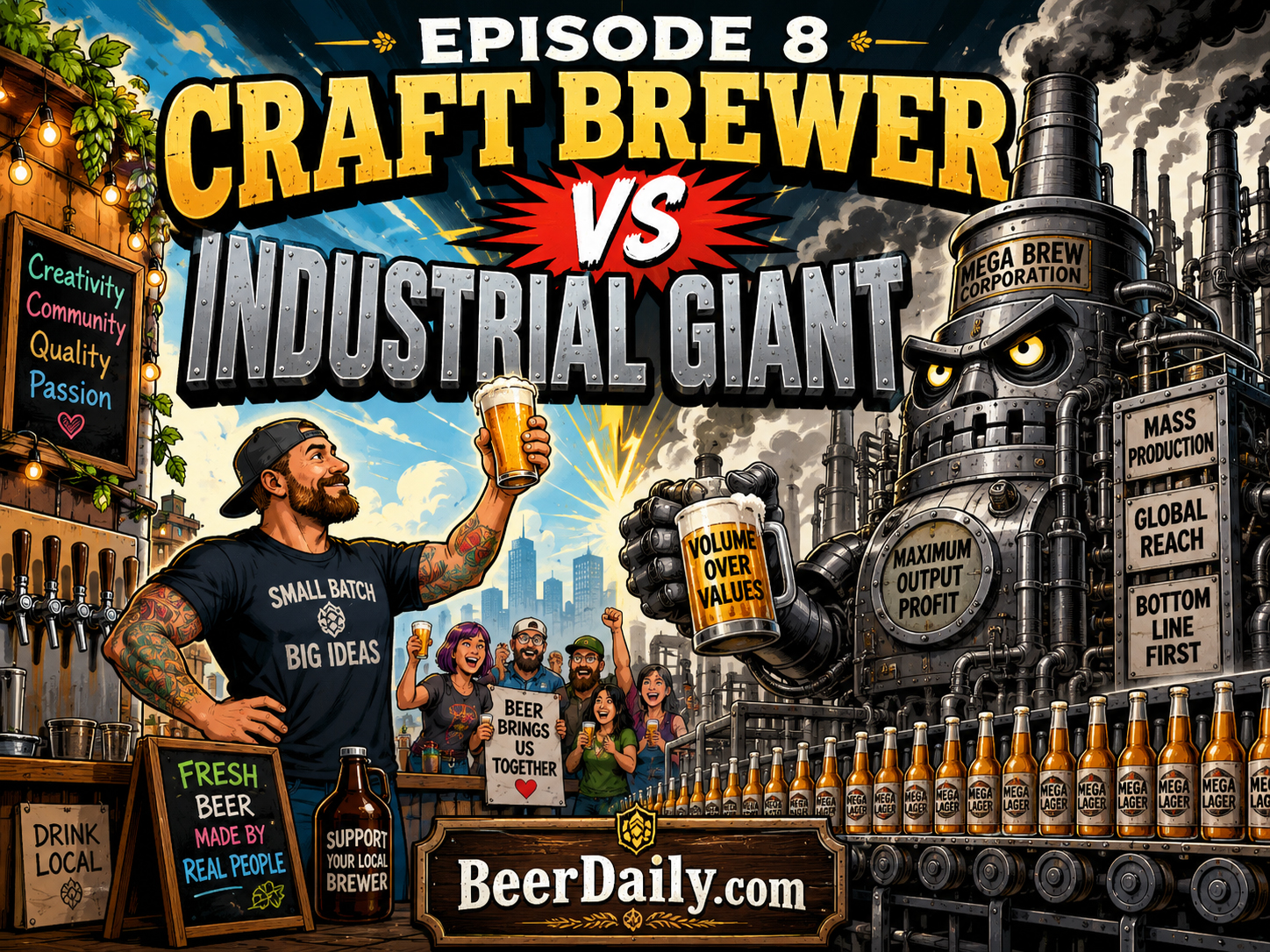
Industrial beer made beer consistent. Craft beer made beer curious again. The best beer future remembers both lessons: precision matters, but so does place, story, flavor, and the person behind the kettle.