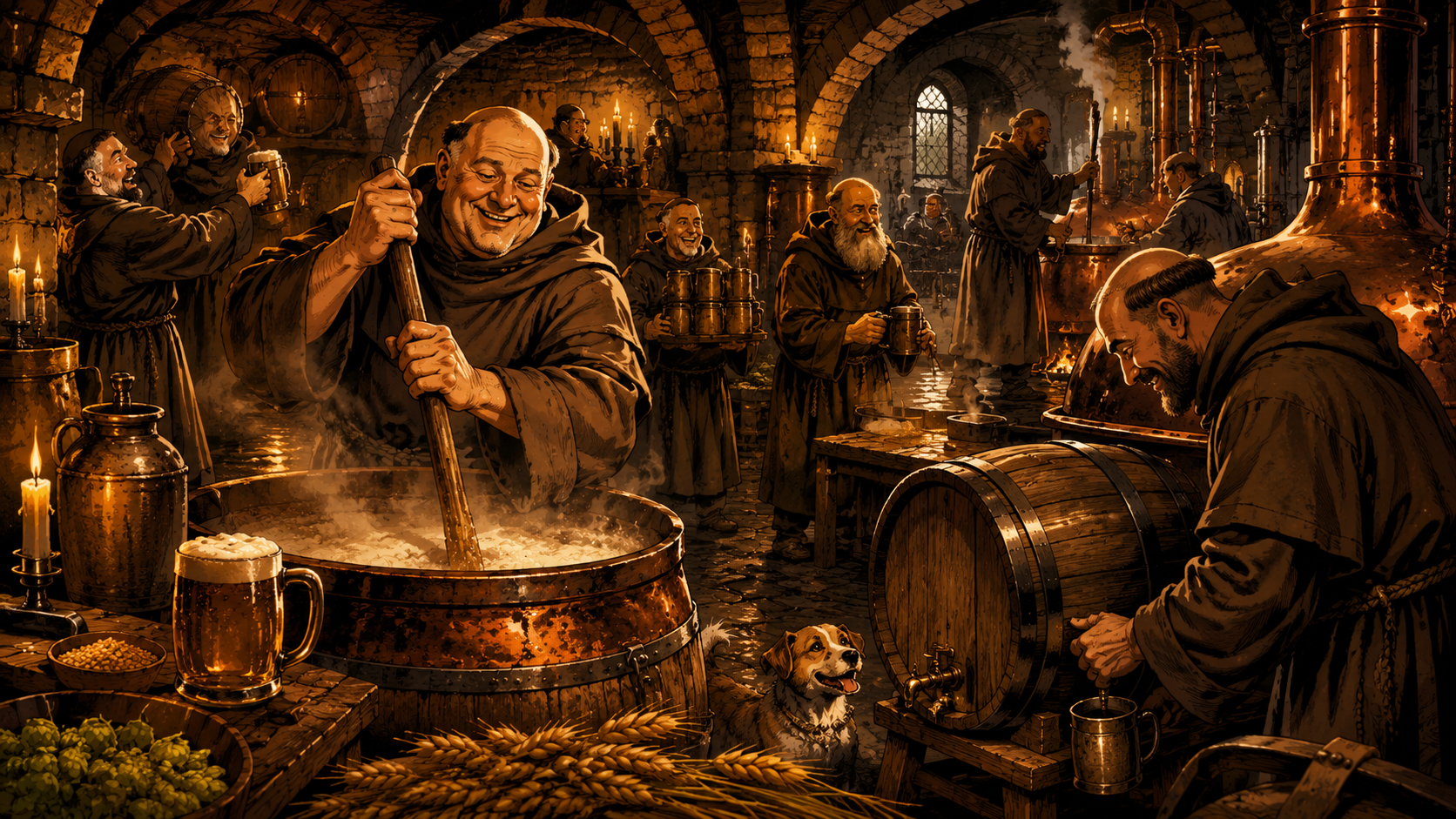
Why monasteries mattered to beer
Monasteries were long-lived institutions. That matters. Beer improves when people can repeat a process, compare results, protect knowledge, and pass craft from one generation to the next. A household might brew well, but a monastery could preserve a brewing culture for centuries.
Monks did not invent beer. Beer was ancient long before medieval abbeys refined it. But monastic brewing gave beer a powerful combination of routine, discipline, storage, literacy, and hospitality. In BeerDaily terms: the jar finally got a filing cabinet.
Monastic brewing was not magic. It was patience with a cellar key.
Beer as hospitality
Monasteries often served travelers, pilgrims, guests, and local communities. Beer fit naturally into that world because it was nourishing, familiar, and practical. A monastery could feed, shelter, and refresh people, and beer could be part of that hospitality.
The abbey guesthouse was not a modern taproom with flight paddles and a neon “Live Laugh Lager” sign. But beer could still be part of welcome, care, and community. A cup could say: you have arrived, rest here, the road can wait.

Records: the quiet revolution
Brewing is a sequence craft. Grain amounts, water, heat, timing, yeast behavior, storage, and cleanliness all matter. When people write things down, brewing becomes easier to compare and improve.
Monastic records could track grain, production, storage, distribution, purchases, sales, and obligations. This is not glamorous, but it is powerful. The monk with the ledger may not look dramatic, but history should never underestimate a calm person with good handwriting.
Refinement: repetition makes better beer
Brewing gets better when a community learns what worked last time. Better malt handling. Better vessels. Better cellar practice. Better timing. Better sanitation by habit, even before modern microbiology. Better taste because people remember failures and successes.
This refinement did not mean medieval beer suddenly became modern beer. It means beer became more controlled, more repeatable, and more tied to institutional knowledge. The cellar had a memory.

Monks, fasting, and liquid nourishment
Beer’s role in monastic life was sometimes connected to nourishment during fasting periods and daily routines. Beer could be treated as sustaining liquid food, especially in forms that were rich, malty, and filling.
BeerDaily must say this carefully: not every monk was secretly using a loophole to host a festival in the pantry. But beer could be practical nourishment in religious communities where work, prayer, discipline, and food rules all shaped daily life.
The cellar as technology
Cellars matter in brewing because temperature matters. Cool storage can slow spoilage, support maturation, and help beer settle. Before mechanical refrigeration, cellars, caves, shaded rooms, seasonal timing, and local climate were essential brewing tools.
The abbey cellar was not merely storage. It was climate control by architecture. Thick walls, underground rooms, stone floors, and patience did work that later machines would take over.

Monks and hops
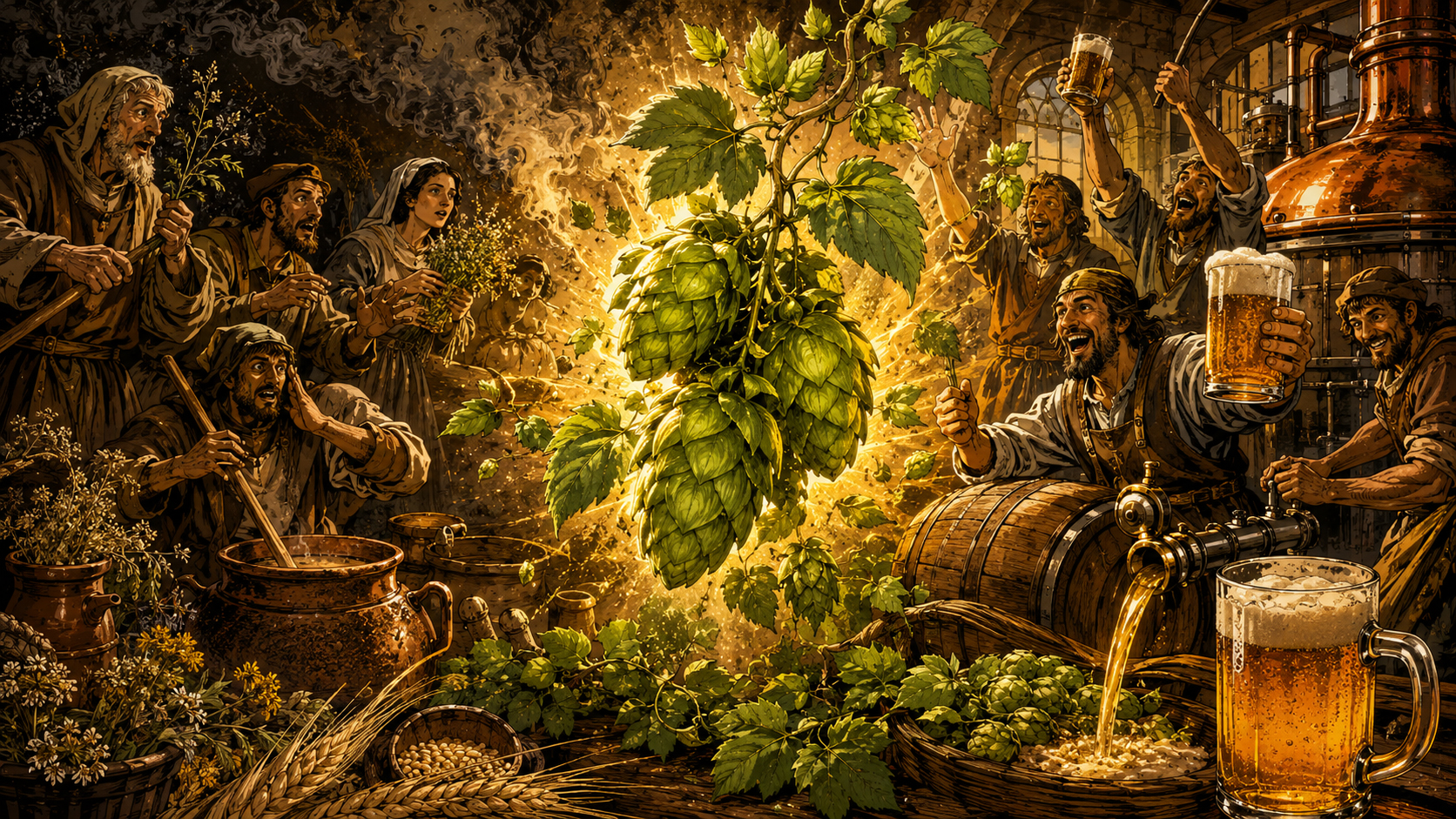
Monastic brewing also belongs in the story of hops. Hops eventually became central to European brewing because they helped preserve beer and gave it bitterness and aroma. Monastic communities, with gardens, records, and brewing routines, helped cultivate brewing knowledge around ingredients and process.
Hops did not instantly conquer every kettle, but once they proved useful, they fit perfectly into the monastic preference for repeatable, stable, organized brewing. The hop cone walked into the abbey and said, “I can help with shelf life.” The monks looked at the ledger and nodded.
Abbey beer is not one single style
It is tempting to treat “monk beer” like one flavor. That is too simple. Monastic brewing varied by region, period, ingredients, climate, rules, economy, and community need. Some beers were for daily consumption. Some were stronger. Some were sold. Some were connected to hospitality.
The important historical point is not that every monastery made the same beer. The important point is that monasteries helped preserve and refine brewing as an organized craft.
The myth problem
BeerDaily loves monk stories, but the Foam Detective gets nervous when every medieval brewing improvement is credited to monks alone. Brewing knowledge also belonged to households, professional brewers, women brewers, tavern keepers, farmers, merchants, and urban guilds.
Monks mattered. They did not do everything. History is better when everyone who touched the kettle gets counted.

The abbey lesson
Monastic brewing teaches that beer is not only ingredients. Beer is routine, recordkeeping, storage, discipline, hospitality, and accumulated craft. A good beer is not just what goes into the kettle. It is the culture that teaches the brewer what to do next.
The abbey cellar reminds us that beer history often moves quietly. Not every revolution is loud. Some revolutions drip into barrels under stone ceilings while someone updates the ledger.